



31 Jan Peptide Overview: Mechanisms, Benefits, and Safety Considerations
Last update: January 30, 2026 | Author: Siri Napan, MD
In the rapidly evolving world of longevity science and health optimization, peptides have emerged as one of the most discussed and promising tools. From elite biohackers to medical researchers, peptides are generating significant interest for their potential to enhance healing, improve body composition, support cognitive function, and potentially slow aspects of aging.
But what exactly are peptides? How do they work? And which ones show the most promise? This comprehensive guide will walk you through everything you need to know about peptides, examining the most popular options organized by category, their mechanisms of action, the evidence supporting their use, and critical safety considerations.
What Are Peptides?
Peptides are short chains of amino acids—the building blocks of proteins. While proteins can contain hundreds or thousands of amino acids, peptides typically contain between 2 and 50 amino acids linked together. Think of them as small pieces of proteins with specific biological functions.
Your body naturally produces thousands of different peptides that act as signaling molecules, hormones, and neurotransmitters. They regulate nearly every physiological process, from muscle growth and tissue repair to immune function and sleep cycles. Therapeutic peptides work by mimicking or enhancing these natural signaling pathways.
How Do Peptides Work?
Peptides function primarily as signaling molecules. They bind to specific receptors on cell surfaces, triggering cascades of biological responses inside the cell. This is similar to how a key fits into a lock—each peptide has a specific shape that matches particular receptors, allowing for highly targeted effects.
Because peptides are made from amino acids (the same building blocks as the proteins in our diet), the body typically breaks them down relatively quickly. This means they often need to be administered more frequently than small-molecule drugs, but it also means they’re generally metabolized into harmless components.
Peptides by Category
Below, we’ve organized the most popular and researched peptides into functional categories based on their primary applications.
Metabolic Health & Weight Management
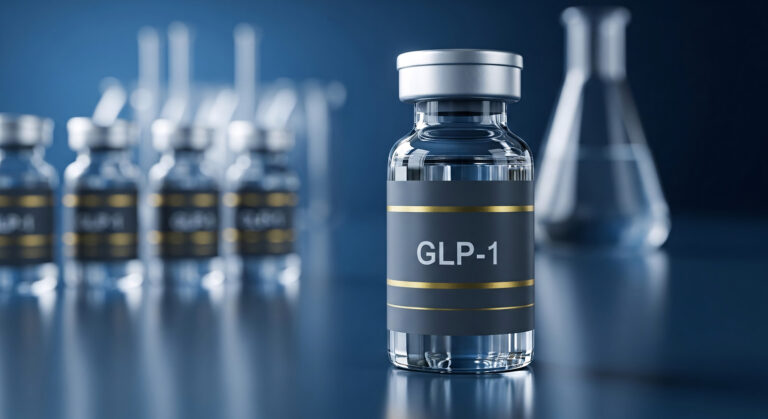
Semaglutide
What it is: Semaglutide is a GLP-1 (glucagon-like peptide-1) receptor agonist, a modified version of a naturally occurring hormone that regulates blood sugar and appetite.
Mechanism of Action: Semaglutide mimics GLP-1, binding to GLP-1 receptors in the brain, pancreas, and gastrointestinal tract. It slows gastric emptying, increases insulin secretion when blood sugar is elevated, reduces glucagon release, and significantly reduces appetite through central nervous system effects.
Potential Benefits:
- Significant weight loss (average 15-20% of body weight in clinical trials)
- Improved glycemic control in type 2 diabetes
- Reduced cardiovascular risk
- Decreased appetite and food cravings
- Potential metabolic health improvements
Routes of Administration: Subcutaneous injection, typically once weekly
Evidence Level: Excellent. Semaglutide has been studied in extensive, large-scale randomized controlled trials involving thousands of participants for both diabetes and obesity.
FDA Status: FDA-approved for type 2 diabetes (Ozempic) and obesity (Wegovy). This is one of the few peptides with full FDA approval for its primary uses.
Safety Considerations: Well-documented side effect profile includes nausea, vomiting, diarrhea, and constipation (usually temporary). Rare but serious risks include pancreatitis, gallbladder disease, and potential thyroid C-cell tumors (seen in rodent studies). Contraindicated in individuals with personal or family history of medullary thyroid carcinoma. Requires medical supervision.
Tirzepatide
What it is: Tirzepatide is a dual GIP (glucose-dependent insulinotropic polypeptide) and GLP-1 receptor agonist, representing the next generation beyond semaglutide.
Mechanism of Action: Tirzepatide activates both GIP and GLP-1 receptors, providing dual incretin action. This dual mechanism appears to produce even greater effects on weight loss and metabolic health than GLP-1 agonists alone, with enhanced insulin secretion, reduced glucagon, delayed gastric emptying, and powerful appetite suppression.
Potential Benefits:
- Superior weight loss compared to semaglutide (average 20-25% body weight reduction)
- Excellent glycemic control
- Improved cardiovascular markers
- Better lipid profiles
- Reduced liver fat
Routes of Administration: Subcutaneous injection, once weekly
Evidence Level: Excellent. Extensive Phase 3 clinical trial data with large patient populations for both diabetes and obesity.
FDA Status: FDA-approved for type 2 diabetes (Mounjaro) and obesity (Zepbound).
Safety Considerations: Similar side effect profile to semaglutide but potentially better tolerated by some individuals. Gastrointestinal side effects common initially. Same contraindications regarding thyroid cancer risk. Medical supervision essential.
Retatrutide
What it is: Retatrutide is a triple agonist peptide activating GLP-1, GIP, and glucagon receptors, representing the cutting edge of metabolic peptide therapy.
Mechanism of Action: By activating three incretin pathways simultaneously, retatrutide enhances insulin secretion, suppresses appetite, increases energy expenditure through glucagon receptor activation, and promotes significant metabolic shifts favoring fat burning and weight loss.
Potential Benefits:
- Potentially superior weight loss to tirzepatide (early trials show ~24-28% body weight reduction)
- Enhanced metabolic rate
- Improved glucose control
- Better body composition changes
- Cardiovascular benefits
Routes of Administration: Subcutaneous injection, once weekly
Evidence Level: Moderate to good. Phase 2 trials completed with impressive results; Phase 3 trials ongoing. Less extensive data than semaglutide or tirzepatide.
FDA Status: Not yet FDA-approved. Currently in late-stage clinical development.
Safety Considerations: Early trial data suggests tolerability similar to other GLP-1 agonists. Full safety profile still being established through ongoing trials. Not yet available for prescription use.
Tissue Repair & Recovery
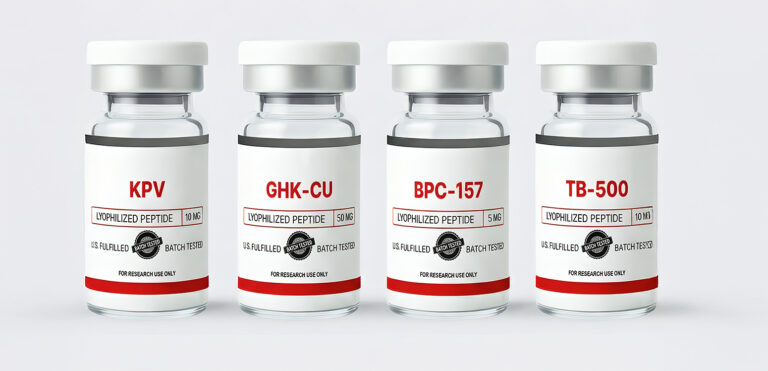
BPC-157
What it is: BPC-157 (Body Protection Compound-157) is a synthetic peptide derived from a protective protein found in human gastric juice. It consists of 15 amino acids.
Mechanism of Action: BPC-157 appears to work through multiple pathways, including promoting angiogenesis (new blood vessel formation), modulating growth factor expression, and influencing the nitric oxide pathway. It may enhance the body’s natural healing processes by improving blood flow to damaged tissues and supporting cellular repair mechanisms.
Potential Benefits:
- Accelerated healing of tendons, ligaments, and muscles
- Gut healing and protection (particularly relevant for inflammatory bowel conditions)
- Potential neuroprotective effects
- Joint health support
Routes of Administration: Subcutaneous injection (most common), intramuscular injection, or oral administration (though bioavailability questions exist for oral routes)
Evidence Level: Primarily animal studies. BPC-157 has shown impressive results in rodent models for various types of tissue injury and healing. However, there are virtually no published human clinical trials, which represents a significant evidence gap. Most human use is anecdotal or based on animal research extrapolation.
FDA Status: Not FDA-approved. BPC-157 is not approved for human use by the FDA and is typically sold as a research chemical.
Safety Considerations: Limited human safety data exists. Anecdotal reports suggest it’s generally well-tolerated, but without clinical trials, long-term safety profiles remain unknown. Quality control of sourcing is critical, as unregulated products may contain impurities.
TB-500
What it is: TB-500 (Thymosin Beta-4 Fragment) is a synthetic version of the naturally occurring peptide Thymosin Beta-4, which plays a role in cell migration, differentiation, and tissue repair.
Mechanism of Action: TB-500 works by promoting cell migration to injury sites, reducing inflammation, and supporting the formation of new blood vessels. It regulates the protein actin, which is essential for cell structure and movement.
Potential Benefits:
- Enhanced recovery from muscle and tendon injuries
- Reduced inflammation
- Improved flexibility and reduced pain
- Potential hair growth stimulation
- Wound healing support
Routes of Administration: Subcutaneous or intramuscular injection
Evidence Level: Moderate animal research, minimal human clinical data. Thymosin Beta-4 (the parent compound) has been studied more extensively than TB-500 specifically, with some human trials for wound healing and cardiac conditions. TB-500 as a specific fragment has less direct human evidence.
FDA Status: Not FDA-approved for therapeutic use. The parent compound has been investigated in clinical trials but TB-500 itself is not approved.
Safety Considerations: Generally reported as well-tolerated in anecdotal use, but comprehensive safety studies in humans are lacking. There have been theoretical concerns about promoting unwanted cell growth, though no evidence supports this in practice.
KPV
What it is: KPV (Lysine-Proline-Valine) is a tripeptide (three amino acids) that is naturally occurring as part of alpha-melanocyte-stimulating hormone (α-MSH). It has potent anti-inflammatory properties.
Mechanism of Action: KPV works primarily through anti-inflammatory pathways, inhibiting inflammatory signaling pathways including NF-κB. It can modulate immune responses in the gut and systemically, reducing inflammatory cytokine production.
Potential Benefits:
- Powerful anti-inflammatory effects, especially in the gut
- Potential benefits for inflammatory bowel disease (IBD, Crohn’s, ulcerative colitis)
- Wound healing support
- Skin inflammation reduction
- Antimicrobial properties
Routes of Administration: Oral (for gut-targeted effects), subcutaneous injection, or topical application
Evidence Level: Limited. Primarily in vitro and animal studies. Human clinical data is sparse. Mechanism is well-understood but clinical application less proven.
FDA Status: Not FDA-approved
Safety Considerations: Generally regarded as safe based on limited data, as it’s a naturally occurring sequence. Oral administration for gut conditions appears promising but lacks extensive clinical validation. Quality sourcing important.
GHK-Cu
What it is: GHK-Cu (Copper Peptide) is a naturally occurring copper complex that decreases with age. It consists of glycine-histidine-lysine bound to a copper ion.
Mechanism of Action: GHK-Cu works through multiple pathways including stimulating collagen and glycosaminoglycan synthesis, promoting antioxidant enzyme activity, and modulating inflammation. The copper ion plays a crucial role in activating various cellular processes.
Potential Benefits:
- Skin rejuvenation and anti-aging effects
- Wound healing acceleration
- Hair growth stimulation
- Improved skin firmness and elasticity
- Potential anti-inflammatory effects
Routes of Administration: Topical application (most common for cosmetic use), subcutaneous injection, or oral supplementation
Evidence Level: Moderate to good. GHK-Cu has been studied in both animal models and human clinical trials, particularly for skin aging and wound healing. The evidence is stronger for topical applications than systemic use.
FDA Status: Not FDA-approved as a drug, but widely used in cosmetic products. Some formulations are available over-the-counter in skincare.
Safety Considerations: Generally regarded as safe, especially in topical formulations. The body naturally produces GHK-Cu, which may contribute to its favorable safety profile. Injectable forms should be sourced carefully for purity.
STACKS
Wolverine
BPC-157 + TB-500
GLOW
GHK-Cu + BPC-157 + TB-500
KLOW
KPV + GHK-Cu + BPC-157 + TB-500
Growth Hormone & Body Composition
Ipamorelin
What it is: Ipamorelin is a growth hormone secretagogue, meaning it stimulates the body’s natural production of growth hormone without being a growth hormone itself.
Mechanism of Action: Ipamorelin selectively binds to ghrelin receptors in the pituitary gland, triggering the release of growth hormone. Unlike some other secretagogues, it doesn’t significantly affect cortisol or prolactin levels, making it more selective.
Potential Benefits:
- Increased lean muscle mass
- Improved body composition (reduced fat)
- Enhanced recovery and sleep quality
- Potential anti-aging effects
- Strengthened bones
Routes of Administration: Subcutaneous injection, typically administered before bed or post-workout
Evidence Level: Moderate. While ipamorelin has been studied in clinical research, most published studies are relatively small or in specific populations. More extensive human trials would strengthen the evidence base.
FDA Status: Not FDA-approved for any indication, though it has been studied in clinical trials for various conditions.
Safety Considerations: Generally well-tolerated in clinical studies with mild side effects (if any) such as injection site reactions or transient flushing. However, long-term safety data is limited. Individuals with cancer history should approach growth hormone secretagogues cautiously.
CJC-1295
What it is: CJC-1295 is a synthetic analog of growth hormone-releasing hormone (GHRH).
Mechanism of Action: CJC-1295 stimulates growth hormone release from the pituitary gland by binding to GHRH receptors. The “DAC” version (Drug Affinity Complex) has a longer duration of action, while the “no DAC” version has a shorter half-life.
Potential Benefits:
- Increased growth hormone levels
- Improved body composition
- Enhanced recovery
- Better sleep quality
- Potential longevity benefits through growth hormone optimization
Routes of Administration: Subcutaneous injection
Evidence Level: Limited to moderate human data. Some small clinical studies have been conducted, but large-scale trials are lacking. Often used in combination with ipamorelin.
FDA Status: Not FDA-approved
Safety Considerations: Similar considerations as other growth hormone secretagogues. The longer half-life of CJC-1295 with DAC means more sustained elevation of growth hormone, which could theoretically carry different risks than pulsatile release. Quality sourcing is critical.
Tesamorelin
What it is: Tesamorelin is a synthetic analog of growth hormone-releasing hormone (GHRH) that stimulates the body’s natural growth hormone production.
Mechanism of Action: Tesamorelin binds to GHRH receptors in the pituitary gland, stimulating pulsatile growth hormone release. This leads to increased IGF-1 production and enhanced lipolysis, particularly targeting visceral adipose tissue.
Potential Benefits:
- Reduction in visceral abdominal fat
- Improved body composition
- Better lipid profiles
- Enhanced cognitive function
- Increased lean body mass
Routes of Administration: Subcutaneous injection, typically daily
Evidence Level: Good. Well-studied in clinical trials, particularly in HIV-associated lipodystrophy populations.
FDA Status: FDA-approved specifically for reducing excess abdominal fat in HIV-infected patients with lipodystrophy (marketed as Egrifta).
Safety Considerations: Generally well-tolerated. Side effects may include injection site reactions, muscle pain, joint pain, and peripheral edema. Can affect glucose metabolism, so monitoring is important. As a growth hormone secretagogue, theoretical concerns about cancer promotion exist, though not demonstrated in trials.
AOD 9604
What it is: AOD 9604 is a modified fragment of human growth hormone (specifically amino acids 176-191) designed to promote fat loss without the growth-promoting effects of full HGH.
Mechanism of Action: AOD 9604 mimics the way natural growth hormone regulates fat metabolism but without affecting blood sugar or growth. It stimulates lipolysis (fat breakdown) and inhibits lipogenesis (fat formation), particularly targeting abdominal fat.
Potential Benefits:
- Targeted fat loss, especially visceral fat
- No effect on blood sugar (unlike full HGH)
- Potential cartilage repair properties
- Does not stimulate growth or insulin resistance
- May improve metabolic markers
Routes of Administration: Subcutaneous injection, typically daily
Evidence Level: Limited. Some small human trials and more extensive animal research. Evidence is weaker compared to newer metabolic peptides. Originally studied for obesity but failed Phase 2 trials for that indication.
FDA Status: Not FDA-approved. Failed to receive approval after clinical trials for obesity.
Safety Considerations: Generally reported as well-tolerated in studies with minimal side effects. However, the failed approval process raises questions about efficacy. Limited long-term safety data.
IGF-1 LR3
What it is: IGF-1 LR3 (Insulin-Like Growth Factor-1 Long R3) is a modified version of insulin-like growth factor-1 with an extended half-life. It’s a potent growth factor involved in muscle growth and repair.
Mechanism of Action: IGF-1 LR3 binds to IGF-1 receptors on cells, triggering anabolic pathways that promote protein synthesis, reduce protein breakdown, enhance glucose uptake, and stimulate cell proliferation. The LR3 variant has reduced binding to IGF binding proteins, making it more bioavailable and longer-lasting than natural IGF-1.
Potential Benefits:
- Increased muscle growth and hypertrophy
- Enhanced recovery from training
- Improved nutrient partitioning
- Fat loss while maintaining muscle
- Potential anti-aging effects
Routes of Administration: Subcutaneous or intramuscular injection
Evidence Level: Limited human clinical data. Most research on IGF-1 focuses on the natural form or medical-grade IGF-1 (mecasermin). LR3 variant is primarily used in research and bodybuilding contexts with minimal clinical studies.
FDA Status: Not FDA-approved. Natural IGF-1 (mecasermin) is FDA-approved for specific growth disorders in children, but LR3 variant is not.
Safety Considerations: Significant concerns exist due to IGF-1’s role in cell proliferation. Potential risks include hypoglycemia, increased cancer risk (theoretical, as IGF-1 can promote cell growth), jaw pain, and organ growth with prolonged use. Should be approached with extreme caution. Quality control is a major issue in the unregulated market.
Follistatin
What it is: Follistatin is a naturally occurring protein that binds to and inhibits myostatin, a protein that limits muscle growth.
Mechanism of Action: Follistatin works by neutralizing myostatin, which normally acts as a brake on muscle growth. By inhibiting myostatin, follistatin allows for increased muscle development beyond normal genetic limits. It also has effects on reproductive hormones and other growth factors.
Potential Benefits:
- Dramatic increases in muscle mass
- Reduced body fat
- Enhanced muscle recovery
- Potential therapeutic use in muscle-wasting conditions
- Improved strength gains
Routes of Administration: Intramuscular injection (local muscle growth) or subcutaneous injection (systemic effects)
Evidence Level: Limited human data. Animal studies show dramatic muscle growth effects. Human research is sparse and primarily focused on genetic conditions or experimental gene therapy approaches.
FDA Status: Not FDA-approved. Gene therapy approaches using follistatin are in early clinical trials for muscular dystrophy.
Safety Considerations: Very limited safety data in humans. As a powerful regulator of growth, potential for unknown long-term effects exists. Quality and purity of peptide sources are major concerns. Effects on fertility and reproductive hormones are not fully understood. This is one of the more experimental and potentially risky peptides on this list.
Cognitive Enhancement & Neuroprotection
Semax
What it is: Semax is a synthetic peptide analog of adrenocorticotropic hormone (ACTH), developed in Russia. It’s considered a potent nootropic peptide.
Mechanism of Action: Semax modulates neurotransmitter systems (particularly dopamine, serotonin, and acetylcholine), increases brain-derived neurotrophic factor (BDNF), enhances neuroplasticity, and provides neuroprotection through multiple pathways including antioxidant effects and improved cerebral blood flow.
Potential Benefits:
- Enhanced cognitive function and mental clarity
- Improved focus and concentration
- Neuroprotection against stress and injury
- Faster learning and memory formation
- Potential mood enhancement
- Recovery from stroke or traumatic brain injury
Routes of Administration: Intranasal spray (most common), subcutaneous injection
Evidence Level: Moderate, primarily from Russian research institutions. Some human clinical studies exist, particularly for stroke recovery and cognitive enhancement, but Western clinical data is limited.
FDA Status: Not FDA-approved. Approved for medical use in Russia for stroke and cognitive disorders.
Safety Considerations: Generally well-tolerated in available studies. The intranasal route provides good brain penetration. Long-term safety data outside of Russian medical system is limited. Quality control of preparations varies significantly.
Selank
What it is: Selank is a synthetic peptide based on the naturally occurring peptide tuftsin, developed in Russia. It’s considered a nootropic and anxiolytic peptide.
Mechanism of Action: Selank appears to work through multiple mechanisms including modulating neurotransmitter systems (particularly serotonin and dopamine), influencing brain-derived neurotrophic factor (BDNF), and reducing anxiety through effects on the limbic system.
Potential Benefits:
- Anxiety reduction without sedation
- Improved focus and cognitive function
- Mood stabilization
- Potential immune modulation
- Learning and memory enhancement
Routes of Administration: Intranasal spray (most common), subcutaneous injection
Evidence Level: Limited to moderate, primarily from Russian research institutions. While there are some human studies, many are small and not all are published in international journals. Western clinical data is sparse.
FDA Status: Not FDA-approved. Approved in Russia for anxiety disorders.
Safety Considerations: Reported as well-tolerated in available studies, but comprehensive long-term safety data is limited. The intranasal route may offer advantages for brain delivery but quality control of preparations is important.
Dihexa
What it is: Dihexa is a synthetic peptide derivative designed to enhance cognitive function and potentially treat neurodegenerative diseases. It’s one of the most potent cognitive enhancers studied.
Mechanism of Action: Dihexa works primarily by amplifying the effects of hepatocyte growth factor (HGF) through binding to HGF receptor (c-Met). This promotes synaptogenesis (formation of new synapses), neurogenesis, and enhances neuroplasticity. It’s reportedly up to 7 orders of magnitude more potent than BDNF in promoting neuronal connections.
Potential Benefits:
- Significant cognitive enhancement
- Potential treatment for Alzheimer’s and dementia
- Enhanced learning and memory
- Improved neuroplasticity
- Protection against cognitive decline
Routes of Administration: Oral (has good oral bioavailability, unlike most peptides), subcutaneous injection
Evidence Level: Limited. Promising preclinical research in animal models, particularly for Alzheimer’s disease. Human clinical data is very limited or not publicly available.
FDA Status: Not FDA-approved. Was in development by pharmaceutical companies but current clinical trial status is unclear.
Safety Considerations: Very limited human safety data available. Given its potency and mechanism affecting neuronal growth, unknown long-term effects are a concern. Some reports of potential side effects including anxiety or irritability. This is a very experimental compound with significant unknowns.
Longevity & Cellular Health
Epithalon (Epitalon)
What it is: Epithalon is a synthetic version of epithalamin, a peptide produced in the pineal gland. It consists of four amino acids.
Mechanism of Action: Epithalon is believed to work primarily by activating telomerase, the enzyme that lengthens telomeres (protective caps on chromosomes that shorten with age). It may also regulate pineal gland function and circadian rhythms.
Potential Benefits:
- Potential telomere lengthening
- Improved sleep and circadian rhythm regulation
- Antioxidant effects
- Potential lifespan extension (based on animal studies)
- Immune system support
Routes of Administration: Subcutaneous or intramuscular injection
Evidence Level: Primarily animal studies from Russian research. Human studies are limited and many are not published in mainstream Western scientific journals, making evaluation challenging. The telomere-lengthening claims are based on small studies that haven’t been widely replicated.
FDA Status: Not FDA-approved
Safety Considerations: Limited safety data in humans. While anecdotal reports suggest good tolerance, the lack of rigorous clinical trials means safety profiles are incompletely understood.
MOTS-c
What it is: MOTS-c (Mitochondrial-Derived Peptide) is a naturally occurring peptide encoded in the mitochondrial genome. It’s a relatively recent discovery in the field of mitochondrial biology and longevity.
Mechanism of Action: MOTS-c regulates metabolic homeostasis by improving insulin sensitivity, enhancing mitochondrial function, and activating AMPK (a key metabolic regulator). It acts as a signaling molecule between mitochondria and the nucleus, optimizing cellular energy production and metabolic efficiency.
Potential Benefits:
- Enhanced metabolic health and insulin sensitivity
- Improved mitochondrial function
- Increased exercise capacity and endurance
- Potential longevity effects
- Protection against age-related metabolic decline
- Enhanced fat oxidation
Routes of Administration: Subcutaneous injection, intramuscular injection
Evidence Level: Moderate in animals, limited in humans. Strong preclinical research showing metabolic and longevity benefits in mice. Early human studies are ongoing but published data is limited.
FDA Status: Not FDA-approved. Active area of research with potential therapeutic development.
Safety Considerations: Limited human safety data. As a naturally occurring mitochondrial peptide, theoretical safety profile may be favorable, but clinical validation is needed. This is a newer peptide with much still to be learned.
Immune Function
Thymosin Alpha-1
What it is: Thymosin Alpha-1 (Tα1) is a 28-amino-acid peptide that plays a crucial role in immune system function, originally isolated from the thymus gland.
Mechanism of Action: Tα1 modulates the immune system by influencing T-cell maturation and function, enhancing the activity of natural killer cells, and modulating cytokine production. It appears to help balance immune responses.
Potential Benefits:
- Enhanced immune function
- Potential benefits in chronic infections
- Immune system modulation in autoimmune conditions
- Possible cancer therapy adjunct
- Support during illness or recovery
Routes of Administration: Subcutaneous injection
Evidence Level: Good to strong. Thymosin Alpha-1 has been studied in numerous human clinical trials for conditions including chronic hepatitis, cancer, and immune deficiency. It’s one of the better-studied peptides on this list.
FDA Status: Not FDA-approved in the United States, but it is approved for clinical use in several other countries for treating hepatitis B and C, and as an immune enhancer.
Safety Considerations: Generally well-tolerated in clinical studies with minimal side effects. The extensive clinical trial data provides more confidence in its safety profile compared to many other peptides.
Sexual Health & Libido
PT-141
What it is: PT-141 (Bremelanotide) is a synthetic peptide derived from Melanotan II, but modified to focus specifically on sexual arousal and desire rather than tanning effects.
Mechanism of Action: PT-141 works through melanocortin receptors in the central nervous system, particularly MC3 and MC4 receptors. Unlike drugs like Viagra that work through vascular mechanisms, PT-141 acts on the nervous system to increase sexual desire and arousal at the brain level.
Potential Benefits:
- Increased libido and sexual desire in both men and women
- Enhanced sexual arousal
- Treatment for sexual dysfunction not responsive to vascular therapies
- No direct cardiovascular effects like PDE5 inhibitors
- Works for psychological/neurological causes of low libido
Routes of Administration: Subcutaneous injection, intranasal spray
Evidence Level: Good. Clinical trials conducted for both male and female sexual dysfunction, with particular focus on hypoactive sexual desire disorder in women.
FDA Status: FDA-approved for treatment of hypoactive sexual desire disorder in premenopausal women (marketed as Vyleesi). One of the few peptides with FDA approval.
Safety Considerations: Well-studied in clinical trials. Common side effects include nausea (can be significant), flushing, injection site reactions, and headache. Can transiently increase blood pressure. Generally safe when used as directed under medical supervision.
Melanotan II
What it is: Melanotan II (MT-II) is a synthetic analog of alpha-melanocyte-stimulating hormone (α-MSH), originally developed for tanning but discovered to have potent effects on sexual function.
Mechanism of Action: MT-II activates melanocortin receptors, particularly MC1R (causing skin darkening/tanning), MC3R and MC4R (affecting sexual arousal, appetite, and energy metabolism). It stimulates melanin production and has central nervous system effects on libido.
Potential Benefits:
- Skin tanning without UV exposure
- Increased libido and sexual function
- Appetite suppression and potential weight loss
- Enhanced arousal and erectile function
- Photoprotection (protection from UV damage)
Routes of Administration: Subcutaneous injection
Evidence Level: Limited formal clinical research. Most data comes from early phase trials and extensive anecdotal use. More research exists on the closely related PT-141.
FDA Status: Not FDA-approved. Was abandoned in development due to side effects, though PT-141 (a derivative) was later approved.
Safety Considerations: Multiple concerning side effects including nausea, flushing, increased blood pressure, spontaneous erections, darkening of moles and freckles, and potential unknown effects on existing melanomas. There are theoretical concerns about melanoma risk due to melanocyte stimulation, though not proven. Quality control is a major issue in unregulated markets. One of the riskier peptides due to multiple receptor targets and potential for skin changes.
Kisspeptin-10
What it is: Kisspeptin-10 is a naturally occurring peptide that plays a crucial role in regulating reproductive hormones and sexual maturation. It’s a truncated form of kisspeptin containing 10 amino acids.
Mechanism of Action: Kisspeptin binds to the kisspeptin receptor (GPR54), which stimulates the release of gonadotropin-releasing hormone (GnRH) from the hypothalamus. This triggers the release of luteinizing hormone (LH) and follicle-stimulating hormone (FSH), ultimately increasing sex hormones (testosterone in men, estrogen in women).
Potential Benefits:
- Enhanced reproductive hormone production
- Increased testosterone levels
- Improved libido and sexual function
- Potential treatment for hypogonadotropic hypogonadism
- Enhanced fertility
- Possible metabolic benefits
Routes of Administration: Subcutaneous or intravenous injection
Evidence Level: Moderate. Good research in reproductive endocrinology contexts, particularly for understanding puberty and reproductive disorders. Clinical applications for sexual enhancement are less well-studied.
FDA Status: Not FDA-approved for therapeutic use, though approved kisspeptin formulations may be used in research settings.
Safety Considerations: Generally well-tolerated in research studies. As a natural regulator of reproductive hormones, it may have a favorable safety profile. However, effects on existing hormone-sensitive conditions (like prostate issues or hormone-sensitive cancers) are not fully understood. Limited long-term data.
Comparing Peptide Categories
Most Regulated/Evidence-Based:
Metabolic peptides (GLP-1 agonists) have the strongest evidence and regulatory approval, making them the safest bet for those prioritizing evidence-based approaches.
Best Risk/Benefit for Beginners:
- Thymosin Alpha-1 (immune support)
- GHK-Cu topical (skin health)
- Potentially PT-141 if prescribed (sexual health)
Most Experimental/Risky:
- IGF-1 LR3 (limited data, cancer concerns)
- Follistatin (very limited human data)
- Dihexa (extremely potent, minimal human data)
- Melanotan II (multiple side effects, theoretical cancer risk)
Best Studied but Not FDA-Approved in US:
- Thymosin Alpha-1 (approved elsewhere)
- Semax and Selank (approved in Russia)
Should You Consider Peptides?
Peptides offer exciting potential for health optimization, but require careful consideration. The most responsible approach includes:
- Working with a knowledgeable healthcare provider
- Prioritizing peptides with strong human evidence or FDA approval (semaglutide, tirzepatide, PT-141, tesamorelin)
- Sourcing from reputable suppliers with third-party testing
- Starting with conservative doses and monitoring response
- Having clear, measurable goals
Red Flags: Unrealistic promises, lack of testing documentation, extremely cheap pricing, no certificates of analysis, or pressure tactics
Practical Considerations
Costs:
- FDA-approved peptides: $900-1,500/month without insurance
- Research peptides: $50-500/month
- Monitoring and bloodwork: Additional costs
Commitment:
- Daily or weekly injections for many peptides
- Proper storage and refrigeration
- Regular monitoring and potential cycling protocols
Conclusion
Peptides represent a spectrum from FDA-approved medicines with robust clinical data to experimental compounds with primarily animal studies. This guide covers 22 peptides across eight functional categories, each with different evidence levels and safety profiles.
Key Takeaways:
- Evidence matters – Prioritize peptides with human clinical trials and FDA approval
- Quality is critical – Source from reputable suppliers with third-party testing
- Medical supervision is wise – Work with knowledgeable healthcare providers
- Start conservatively – Begin with well-studied peptides at appropriate doses
- Monitor carefully – Track response through symptoms and laboratory testing
- Be realistic – Peptides are tools, not magic bullets
- Safety first – When in doubt, err on the side of caution
For those willing to navigate this landscape with appropriate caution and medical guidance, peptides may offer valuable tools for optimizing health, enhancing recovery, improving body composition, supporting cognitive function, and potentially extending healthspan.
Disclaimer: This article is for educational purposes only and is not medical advice. Consult with a qualified healthcare provider before using any peptides or making changes to your health regimen. Many peptides discussed are not FDA-approved for the uses described.