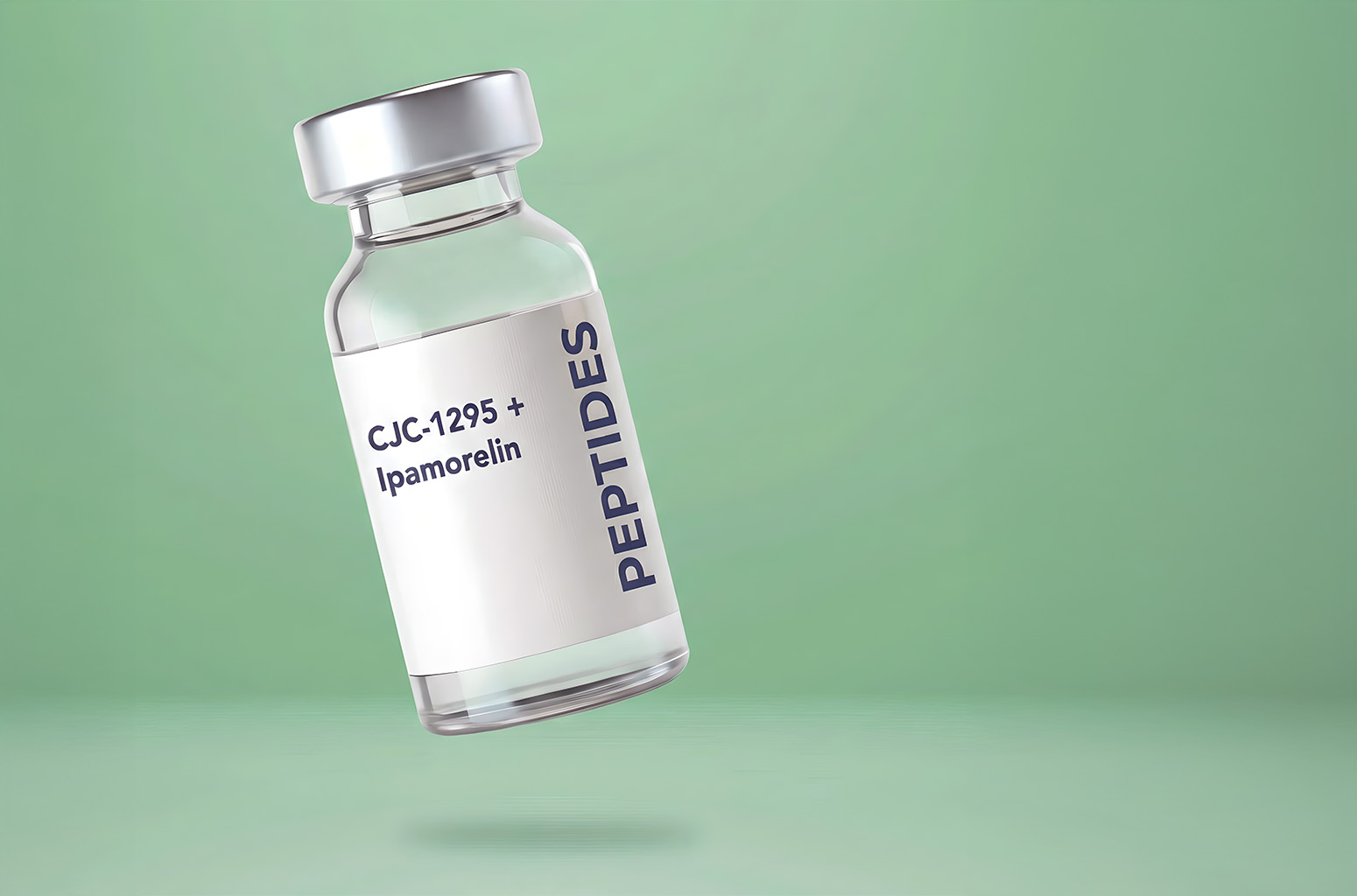
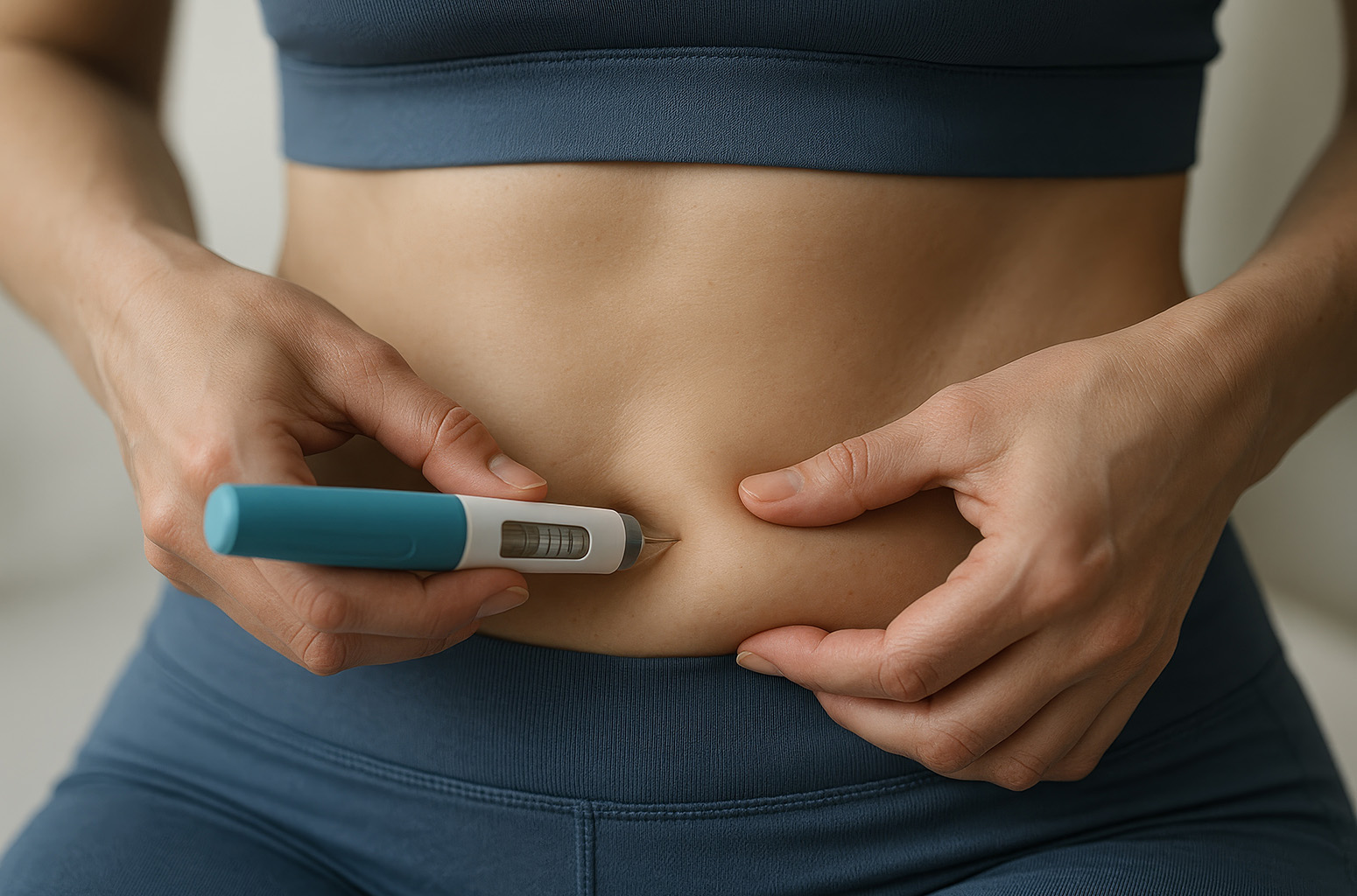
GLP-1 medications are changing how type 2 diabetes and obesity are treated. Drugs like Ozempic, Wegovy, and Mounjaro work by mimicking gut hormones that control appetite, blood sugar, and digestion. They reduce hunger, improve insulin response, and support meaningful weight loss when paired with healthy lifestyle habits....

Chronic stress is one of the most significant threats to long-term health and longevity, contributing to cardiovascular disease, metabolic dysfunction, cognitive decline, and accelerated aging. Persistent cortisol elevation and sympathetic overactivation create a cascade of physiological disruption affecting every system in your body. Effective stress management isn't optional—it's foundational to maintaining vitality, mental clarity, and resilience. How It Works: This protocol targets three foundational systems that govern stress and energy: Circadian Rhythm: Your 24-hour clock controlling cortisol peaks for alertness and melatonin release for sleep. Autonomic Nervous System: Balances sympathetic activation (fight-or-flight) and parasympathetic restoration (rest-and-digest). Hormonal & Neurotransmitter Balance: Cortisol, melatonin, dopamine, and serotonin...

Proper hydration is essential for athletes to maintain performance, prevent dehydration, and optimize recovery. These guidelines provide evidence-based strategies tailored to endurance athletes and those engaging in prolonged physical activity.Pre-Exercise HydrationConsume 5–7 mL/kg of fluid containing sodium (20–50 mEq/L, equivalent to 460–1,150 mg/L, or 1.2–2.9 g/L of sodium chloride) at least 4 hours before an event or training session.1If you fail to produce urine or notice dark, concentrated urine, drink an additional 3–5 mL/kg of fluid within 2 hours before the activity.1Hydration During ExerciseCompositionOpt for a hypotonic carbohydrate-electrolyte solution2 with the following components:Carbohydrates (CHO): Use multiple-transportable carbohydrates (MTC), such as a mix of glucose and fructose or...

A heart-healthy diet varies from person to person, as individual needs depend on factors such as health conditions, food sensitivities, specific nutrient requirements, and inflammation levels. However, adopting a few core principles can provide a solid foundation for improving cardiovascular health. Your food choices significantly impact cholesterol, blood pressure, and inflammation, and these foundational guidelines provide a helpful framework for supporting a healthier heart.Fats: Choosing the Right OnesNot all fats are harmful; in fact, some are essential for heart health. The key lies in distinguishing between healthy fats and unhealthy fats.Healthy FatsMonounsaturated Fats:Sources: Olive oil, avocados, nuts (macadamia nuts, pistachios,...